One of the most important aspects of photo editing is to adjust the colour balance. In Darktable there are many ways to do this. Check out my latest video if you want an overview of the different methods.

Mitt utstillingsvindu på nett
One of the most important aspects of photo editing is to adjust the colour balance. In Darktable there are many ways to do this. Check out my latest video if you want an overview of the different methods.
Colour saturation is another of those things that can be adjusted in a number of different ways in Darktable. Did you know that even the Levels module can be used for this? Check out the video below for more!
It’s no good showing things only on custom made test images. We also need real life examples to understand how to apply our new skills to our own images. In todays video I take the things we learned last time and apply them to real images. For example, why is it not a good idea to set the radius in Shadows and Highlights module to zero? It worked like a charm last time on the test image. Check out the video below to find out for yourself.
After a few weeks of nothing, I have finally made a new Darktable video. This time all about adjusting the tonal values of an image. This is part one of two covering this topic. In this part I mostly show what the different modules do on a greyscale black to white gradient. This is a great way to visualize how a tool actually works. In part two I will revisit some of the modules to show their use on real images.
Enjoy!

Look for the silver lining
Whenever a cloud appears in the blue
Remember, somewhere the sun is shining
And so the right thing to do is make it shine for you
A heart, full of joy and gladness
Will always banish sadness and strife
So always look for the silver lining
And try to find the sunny side of life
A heart, full of joy and gladness
Will always banish sadness and strife
So always look for the silver lining
And try to find the sunny side of life
When sitting beside a pond high in the Norwegian mountains and just soaking in my surroundings and experiencing a fantastic feeling of happiness and being alive and part of nature, this song came into my head. The song was written as far back as in 1919 by Buddy de Sylva, and one of the more well known versions was recorded by Chet Baker.
It speaks directly to me where I am now in my life and where I have been for the last few years. It is so important to look for the silver lining, to find the sunny side of life even when there are elements in life that works towards darkness and despair. When people close to you are having problems that only seem to get bigger and bigger without them being able or willing to do the right things to come back on track. When you try the best you can for years to convince them and help them and you don’t get any response.
At this point you have two choices:
1- continue to bang your head against the wall in the hope that some day you’ll succeed (which you never will, because the other person really has to find the motivation themselves) and therefore burn yourself out and develop depressions and what not.
2- take a grip on your own life, take care of yourself first, and also if there are others in this close circle, take care of them. Place yourself on the sideline. Focus on the good things in life.
I have found it essential to choose number 2. Only then you can get some energy to follow up the one with problems to a certain degree. But remember that you are in charge only of your own life, others are in charge of their lives, no matter how low they are. And only you can decide how much to get involved.
Another good analogy I have thought a lot about is when you have boarded a plane and the crew goes through the safety routine. They tell you that if the oxygen masks come down, you should put on your own mask first, then help others.
Have you ever experienced any of this? While you’re thinking and writing a comment, have a listen to Chet Baker here:

I have just had the most intense feeling of happiness that I have had in a very long time, maybe several years.
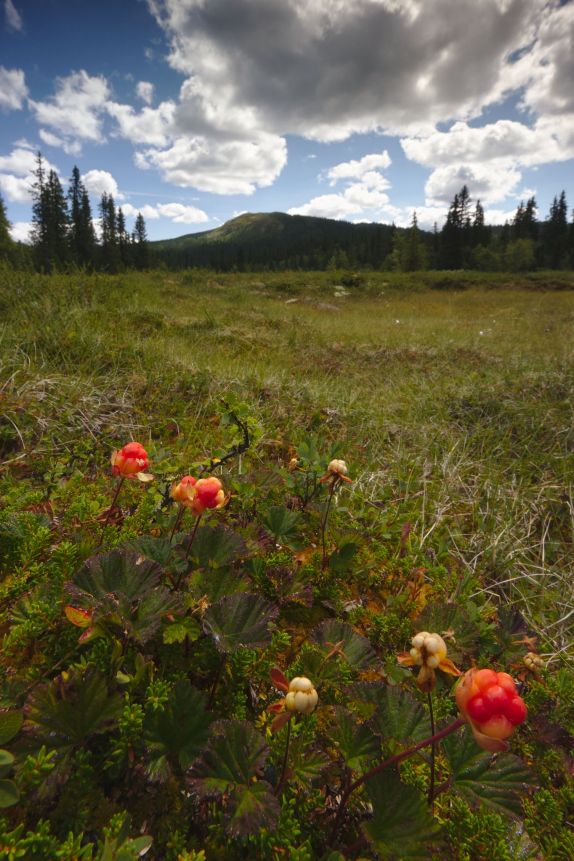
Way up in the Norwegian mountains, the midday sun is high in the sky, white, puffy clouds drifting by. The air is still, with the occasional whiff of a light breeze. The dominant sounds are from the birds flying around me and between the trees. Insects are buzzing different tones from the high pitched mosquito to the more flapping sound of the dragonfly. From where I am sitting I can hardly see any sign of human presence, but I hear them in the distance. Happy children, caring parents. The sound of tools, somebody is working around their cabin. A car passing on the gravel road. But every now and then complete silence, only broken by nature’s own sounds.
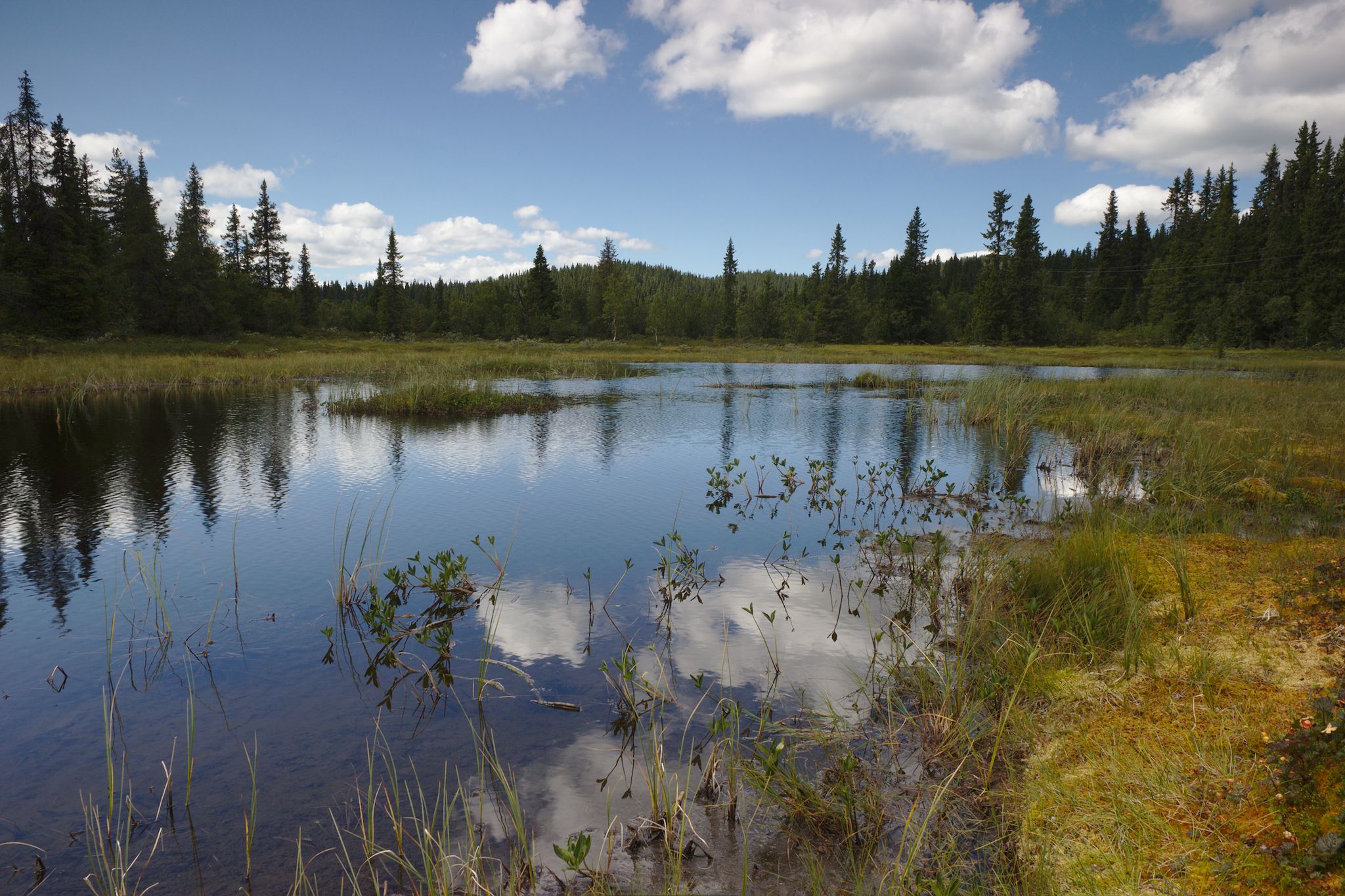
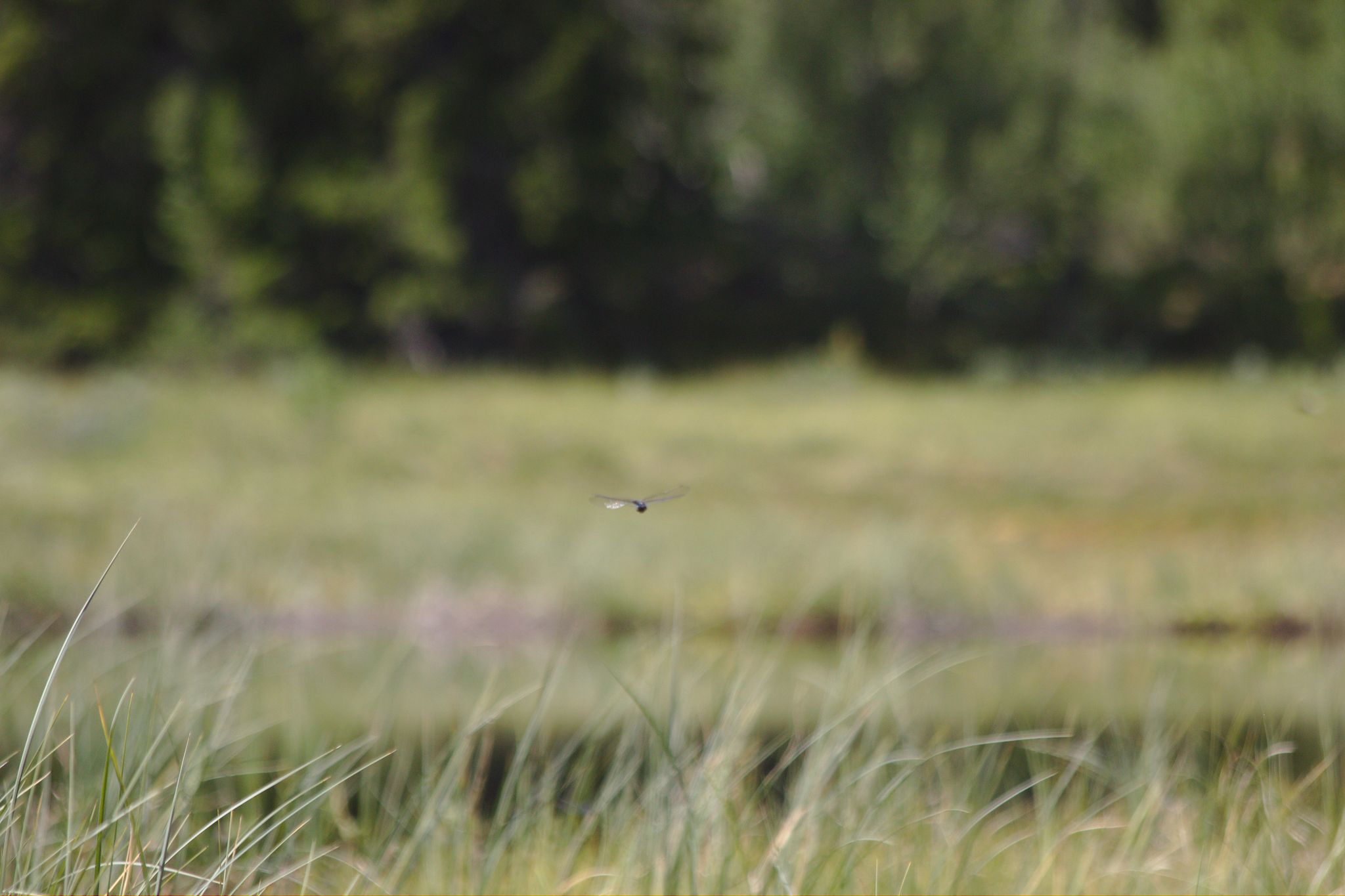
In the middle of all this, I sit on a tussock of moss by the edge of a pond. After walking around for a while, taking some pictures, I sit down, camera bag beside me and the camera ready in my hands, to photograph whatever my eyes find. I feel completely at ease, free from problems and expectations. Whether the images are any good is not so important. It is this feeling of being a part of nature, being friends with the little spider on my knee and the ants that crawl under my shorts. Watching the dragonfly patrol the shoreline round after round, always the same route. I try to capture it with my camera, but it is always too quick, its movements too unpredictable. And the auto focus of my telephoto lens is too slow.
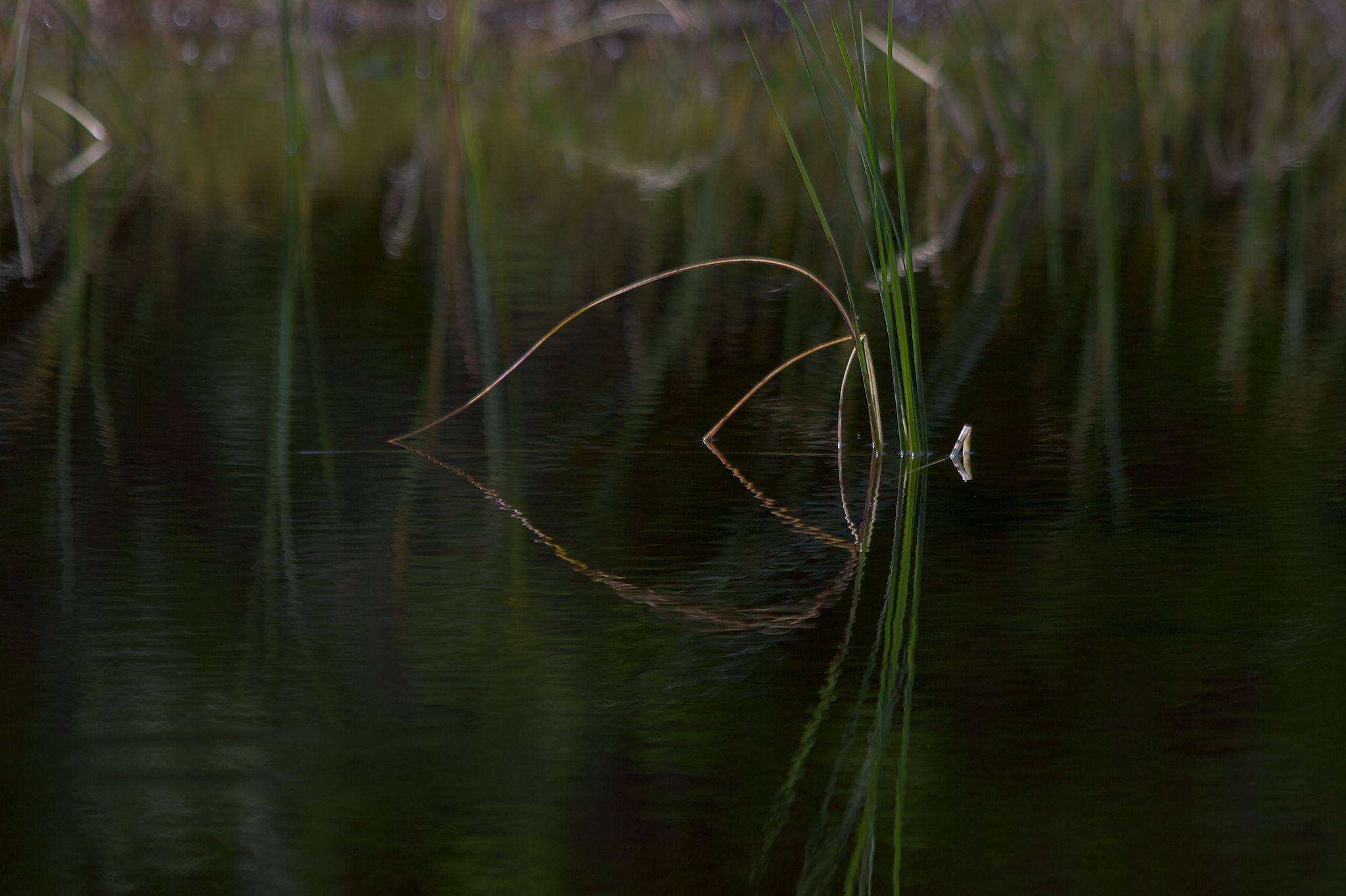
Some reeds form a heart-shaped reflection in the water. Makes me think of the ones I love, and the love that is no more. I am privileged, and I know I have made some right choices in the last year even though there were some tough decisions to make. And I am grateful for all the support I have received from everyone around me. So today, sitting here for hours on end just soaking in the wonderful feeling of being alive, I can’t wish for anything else.
When was the last time you felt immensely happy?
I was planning to announce all my Darktable videos with a blog post, but so far I have only done it twice. But here is episode 8, about some of the modules in Lighttable mode. The modules I cover in this video is Select, Selected Image(s), History Stack and Styles.
There’s a lot you can do with the selected images in Lighttable, and the juggling of history stacks is really powerful. So go ahead and watch the video, and if you have questions, just let me know in the comments.
Hi folks,
my latest Darktable video is out. It’s all about how to import photos into Darktable and apply metadata to them.
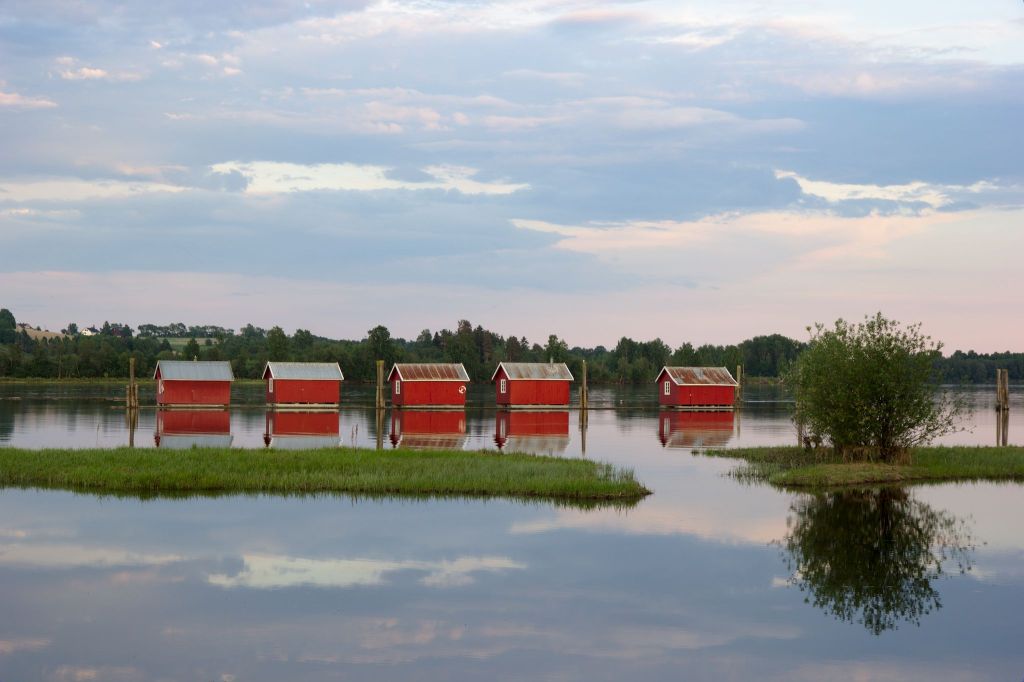
On the evening of one of the immensely hot days we have had here in Norway lately, I took a trip to Fetsund and the timber booms museum there. I have been there once before, a few years ago. There were some nice clouds in the sky so I had hopes for a few good sunset photos.
The sun was low in the sky, there was not a breath of wind, and the air was still quite hot at 10 pm. Therefore I was still in t-shirt and shorts, which I would soon regret. I parked my car at the Visitor Centre Wetland and walked down the walkway along the water to look for a photo location. I found the spot where I took the photos in this post, but the place was guarded by an army of mosquitoes. Even though I had taken care to use a quite effective mosquito repellent, they attacked me in vast numbers, driving me back to the car. For five minutes I just sat there, killing mosquitoes that had come in with me one by one.
I then drove back to the main parking area of the museum and took a stroll around to look for other photo spots. I didn’t really find anything, so I put on some other clothes and went back to where I’d been before. This time I had better protection, but the attackers were still at it. I quickly put up my tripod and found these two compositions as the last hint of sun swept across the landscape.

If you take your photos in RAW format (which I think you should) then you need a piece of software to develop your RAW files into beautiful images. And what is better than using free software? No investment, no monthly fees, and a large, helpful community for support. Even get directly in touch with the developers.
My favourite RAW developer is called Darktable. It started out some years ago only running on Linux. Eventually it was ported to OS X, and this winter the Windows version came out.
Darktable is a very capable free alternative to Adobe Lightroom and others. Like Lightroom it can be used not only to edit your photos, but also to import them from your camera, organize them and print them. As Lightroom is the only commercial RAW developer I have any knowledge about, I’ll use it as a reference.
The two are quite different in the way you work with them. This may make the learning curve of Lightroom a bit easier in the beginning, but I think in the end Darktable is more powerful and more flexible. Many tasks can be done in multiple ways, giving better results under different circumstances.
If you are curious and would like to learn about Darktable, I have just started a YouTube channel about it. The two first videos are out, and I plan to release a new episode every Sunday. See the first episode here:
I’d love it if you like, comment, share and subscribe, so my channel can gain some momentum. Thank you in advance, and see you next time.
 H P Birkeland fotografi